A recent update to the housing hazard framework has introduced a comprehensive checklist outlining 21 categories of risks that landlords and property managers should assess. While the framework is primarily focused on the UK, its implications resonate with housing safety practices that can be adapted in Novi and beyond.
The hazards identified in this framework include issues that can significantly affect everyday home safety. These range from dampness and excess cold or heat to falls, electrical hazards, fire risks, and sanitation concerns. The practical value of this checklist lies in its ability to guide tenants, landlords, and property managers in prioritizing inspections and repairs, ultimately enhancing the safety and livability of homes.
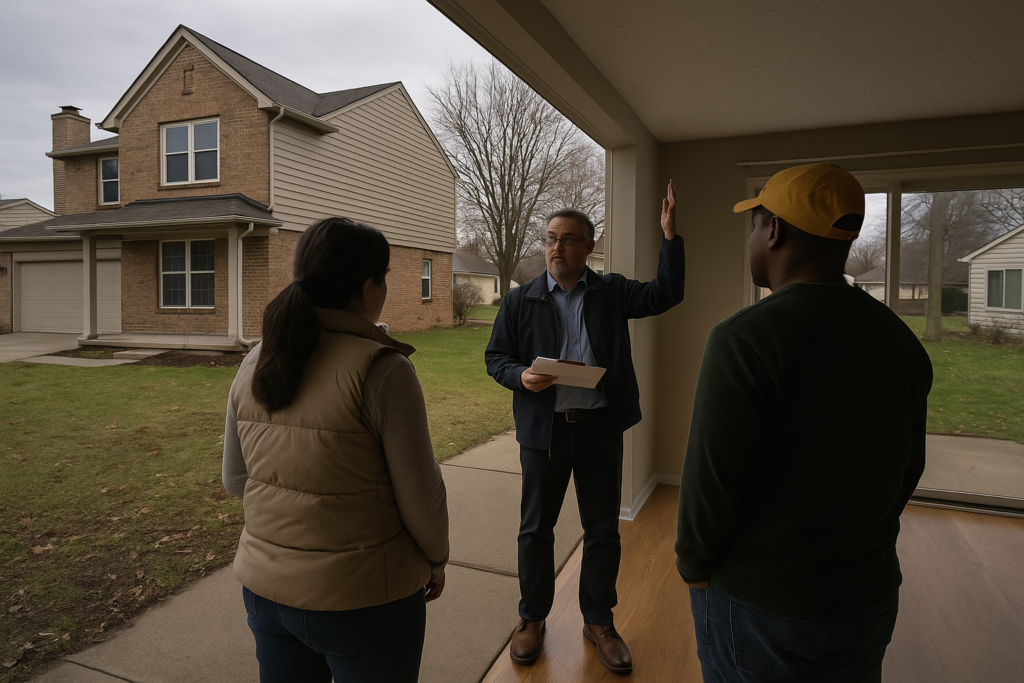
As property managers prepare for inspections, documentation becomes crucial. The framework emphasizes the importance of maintaining thorough records of inspections and repairs, which can help in addressing potential hazards before they escalate into serious issues. This proactive approach not only benefits tenants but also protects landlords from potential liabilities.
In Novi, where housing safety is an ongoing concern, the adoption of such a framework could lead to improved living conditions. Local property managers may find the checklist useful for assessing their properties and ensuring compliance with safety standards. Furthermore, tenants can use the checklist to advocate for necessary repairs and improvements in their homes.
While the framework is UK-focused, its principles can be adapted to fit local housing regulations and standards. Landlords in Novi are encouraged to familiarize themselves with these categories of risk and consider how they might apply to their properties. By doing so, they can enhance tenant safety and satisfaction, fostering a more positive rental experience.
The introduction of this checklist also highlights the need for ongoing education and training for property managers. Understanding the various risks associated with housing can empower them to take the necessary steps to mitigate these hazards effectively. As the housing landscape continues to evolve, staying informed about best practices in safety and maintenance will be crucial for all stakeholders involved.
In conclusion, the updated housing hazard framework serves as a valuable resource for landlords and tenants alike. By emphasizing safety and maintenance through a structured checklist, it aims to create a safer living environment for all. As Novi continues to grow, the implementation of such standards will play a pivotal role in ensuring that housing remains safe and habitable for its residents.