As the summer heat intensifies, residents tending to their gardens are receiving timely advice on how to protect their plants from the prolonged high temperatures. The current surge in online searches for garden care during heat waves has prompted a renewed focus on established horticultural practices.
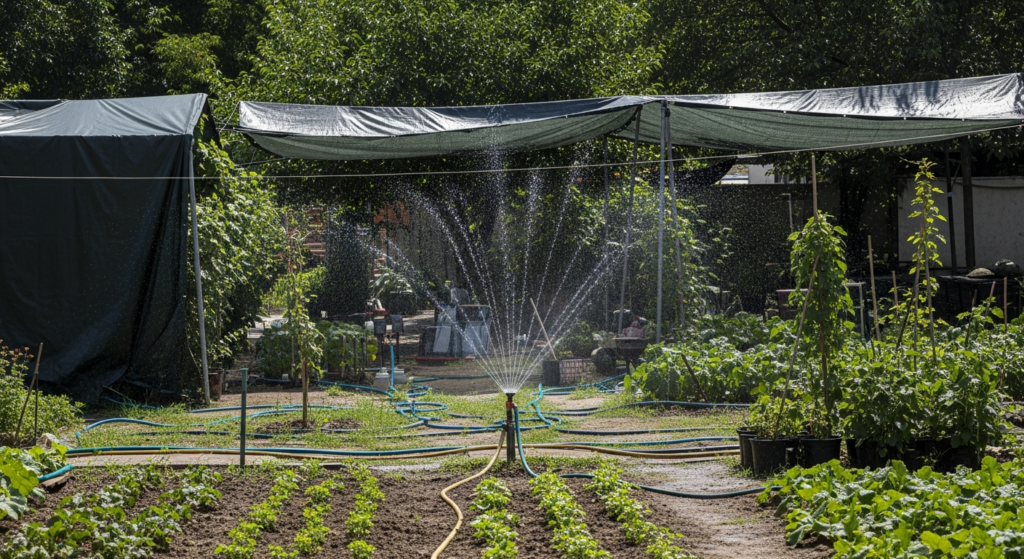
Experts in gardening consistently emphasize several key strategies for maintaining plant health during periods of extreme heat. Foremost among these is the practice of deep watering. Instead of frequent, shallow sprinklings, gardeners are advised to water plants thoroughly, allowing moisture to penetrate deep into the soil. This encourages stronger root development, making plants more resilient to drought and heat stress. Watering should ideally be done in the early morning or late evening to minimize evaporation and allow plants to absorb the water before the peak heat of the day.
Providing shade is another critical component of heat-wave garden management. For many plants, direct, intense sunlight for extended periods can be damaging, leading to wilting, leaf scorch, and reduced flowering or fruiting. Gardeners can create artificial shade using shade cloth, umbrellas, or by strategically positioning taller plants to shield more sensitive species. Natural shade from trees and structures can also be leveraged, although care must be taken to ensure that plants are not competing with tree roots for water.
Mulching remains a fundamental technique for conserving soil moisture and regulating soil temperature. A layer of organic mulch, such as wood chips, straw, or compost, applied around the base of plants helps to keep the soil cooler and retain moisture by reducing evaporation. It also suppresses weed growth, which can compete with garden plants for water and nutrients.
Prioritizing stressed plants is also a key recommendation. During a heat wave, not all plants will suffer equally. Gardeners are encouraged to identify which plants are showing the most signs of distress—such as wilting, yellowing leaves, or stunted growth—and focus their watering and protective efforts on these specimens. Established, mature plants are generally more resilient than young seedlings or newly transplanted items, which require more consistent attention.
While general guidance on heat-wave gardening is widely available, specific local conditions can influence the effectiveness of these strategies. Factors such as soil type, microclimates within a yard, and local water restrictions can all play a role. For residents in Novi, understanding these nuances is essential for successful garden preservation throughout the summer months. Information from local extension offices or horticultural societies can provide tailored advice relevant to the specific climate and growing conditions of the region.