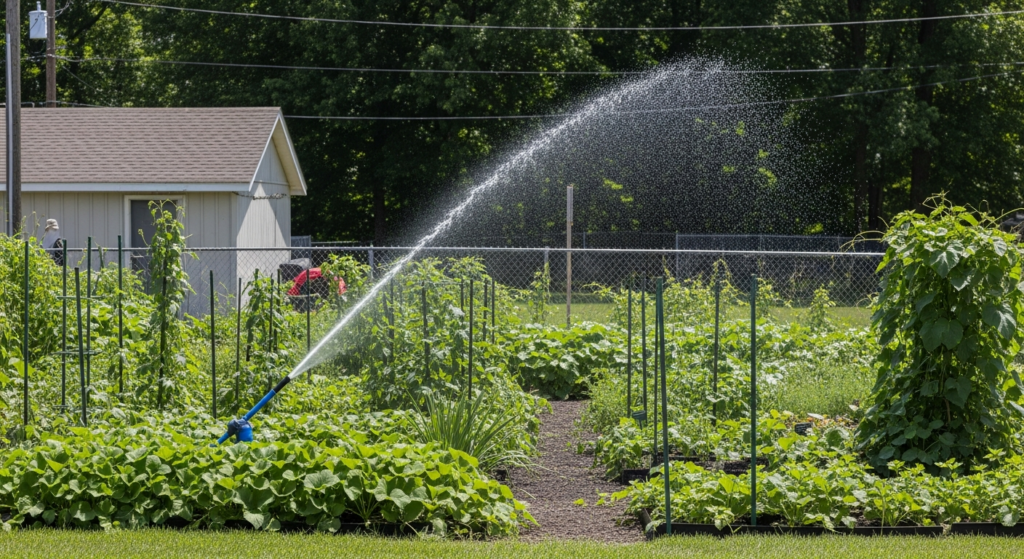
As July temperatures continue to climb, gardeners in Novi are being advised on the most effective strategies for watering their plants to prevent heat-related damage. The prevailing guidance focuses on timing and technique to ensure that water reaches plant roots without causing undue stress.
Experts recommend watering plants in the early morning or late evening. Watering during the hottest part of the day can lead to several issues. Water droplets on leaves can act like tiny magnifying glasses, concentrating sunlight and potentially scorching the foliage. Furthermore, much of the water applied during peak heat can evaporate before it has a chance to penetrate the soil and reach the root systems, rendering the effort less effective.
Watering deeply and less frequently is generally more beneficial than shallow, daily watering. This encourages plants to develop deeper root systems, making them more resilient to drought and heat. When watering, the goal should be to moisten the soil several inches down. For many plants, this means applying a significant amount of water at once, rather than a light sprinkle.
Plant stress can manifest in various ways, including wilting, yellowing leaves, and reduced flowering or fruiting. Mulching around plants can significantly help retain soil moisture and keep root zones cooler. A layer of organic mulch, such as wood chips, straw, or compost, can insulate the soil from extreme temperatures and reduce water loss through evaporation.
Choosing heat-tolerant plant varieties can also be a proactive approach for Novi residents. Many native plants and those adapted to drier climates are naturally more resistant to the rigors of summer heat. When selecting new plants, gardeners are encouraged to consider their water needs and their ability to withstand local summer conditions.
Seasonal tasks during this period also include regular monitoring for pests and diseases, which can sometimes thrive in stressed plants. Prompt identification and treatment are key to maintaining plant health throughout the summer months. Deadheading spent flowers can also encourage further blooming in many species.
For those seeking more localized advice, resources such as the MSU Extension’s Tollgate Farm can offer region-specific insights into managing gardens under challenging weather conditions. Understanding the specific needs of different plant types, from vegetables to ornamental shrubs, is crucial for successful summer gardening in the Novi area.