


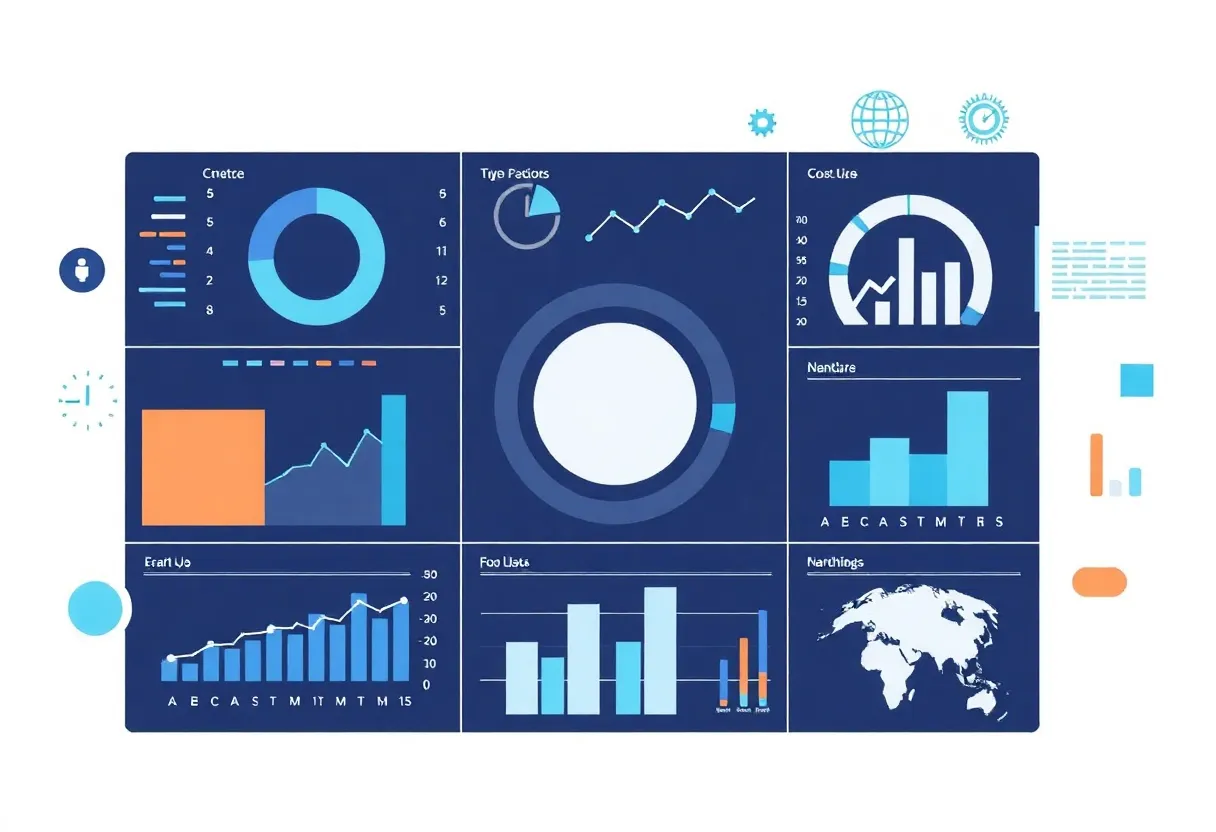
How Can You Leverage Predictive Analytics to Enhance Your Digital Marketing Strategy?
In the ever-evolving landscape of digital marketing, predictive analytics has emerged as a powerful tool. This approach allows marketers to make data-driven decisions, anticipate customer behavior, and tailor strategies to enhance engagement and conversion rates. This article will explore how to effectively leverage predictive analytics in your digital marketing strategy.
Understanding Predictive Analytics
At its core, predictive analytics refers to the use of historical data, statistical algorithms, and machine learning techniques to identify the likelihood of future outcomes based on past behaviors. It transforms data into actionable insights, significantly impacting marketing strategies.
Key Components of Predictive Analytics
- Data Collection: Gathering relevant data from various sources, including customer interactions, purchasing history, and market trends.
- Data Processing: Cleaning and organizing data to make it suitable for analysis.
- Modeling: Applying statistical methods or machine learning algorithms to predict future outcomes.
- Implementation: Using predictions to inform marketing strategies and campaigns.
The Benefits of Predictive Analytics in Digital Marketing
Implementing predictive analytics can significantly enhance various aspects of your digital marketing strategy, from targeting to customer experience. Below are some key benefits:
1. Enhanced Customer Segmentation
With predictive analytics, companies can segment their audience more effectively. By identifying patterns in customer data, businesses can create more targeted marketing campaigns tailored to specific groups. This leads to improved engagement and better conversion rates.
2. Improved Customer Retention
Identifying at-risk customers is vital for retention. Predictive analytics can highlight customers who are likely to churn. Businesses can then implement targeted campaigns to re-engage these customers, ultimately increasing loyalty and extending customer lifetime value.
3. Personalization of Marketing Efforts
Predictive analytics allows for personalized user experiences. By analyzing previous interactions, marketers can recommend products, content, or services tailored to individual preferences. This level of personalization leads to higher engagement rates and improved conversion rates.
4. Optimizing Marketing ROI
By accurately predicting which strategies will yield the highest return on investment (ROI), companies can allocate resources more effectively. Predictive models can analyze past campaign performance and inform future marketing budgets, ensuring that investments are directed toward the most profitable initiatives.
How to Integrate Predictive Analytics into Your Strategy
Integrating predictive analytics into your digital marketing strategy involves several key steps:
1. Set Clear Objectives
Identify the specific goals you want to achieve with predictive analytics. This could include improving customer acquisition, retention, or engagement rates. Clear objectives will guide your data collection and analysis efforts.
2. Collect Comprehensive Data
Gather relevant data from various sources. This includes CRM systems, web analytics tools, social media platforms, and more. The more comprehensive your data collection, the more accurate your predictive models will be.
3. Choose the Right Tools
Select appropriate predictive analytics tools that fit your business needs. Various software solutions offer machine learning capabilities, data visualization, and intuitive interfaces to help marketers analyze and interpret data seamlessly.
4. Develop Predictive Models
Work with data scientists or analysts to develop predictive models that align with your marketing objectives. Utilize techniques such as regression analysis, decision trees, or neural networks to uncover insights that drive your marketing strategies.
5. Test and Iterate
Once your predictive models are in place, continually test and optimize them. Analyze the outcomes of your marketing efforts and adjust your strategies based on performance data. This iterative approach ensures your predictive analytics remain relevant and effective.
Applications of Predictive Analytics in Digital Marketing
Predictive analytics can be applied in various digital marketing contexts:
1. Email Marketing Optimization
Email campaigns can benefit significantly from predictive analytics. By predicting which customers are likely to engage with specific content, marketers can send targeted emails that resonate with recipients, enhancing open and click-through rates.
2. Programmatic Advertising
In programmatic advertising, predictive analytics can optimize ad placements by forecasting responses to different ads. This data-driven approach helps in targeting the right audience at the right time, reducing costs, and improving ad performance.
3. Social Media Insights
Predictive analytics can help businesses understand social media trends and audience behavior. Marketers can analyze engagement patterns and predict how audiences might respond to various types of content, enabling more strategic posting strategies.
4. Predictive Lead Scoring
By assessing past customer behavior, predictive analytics can score leads based on their likelihood to convert. This process can prioritize sales efforts, ensuring that resources are allocated efficiently toward high-potential leads.
Challenges in Utilizing Predictive Analytics
Despite its numerous advantages, implementing predictive analytics comes with challenges:
1. Data Quality
The accuracy of predictive analytics heavily relies on the quality of data. Poor or incomplete data can lead to misleading insights and ineffective marketing strategies. Organizations must invest in data cleansing and validation processes.
2. Skill Gaps
A lack of expertise in data analytics can hinder the effective implementation of predictive models. Businesses may need to invest in training or hiring skilled data analysts to ensure their predictive efforts yield success.
3. Integration with Existing Systems
Integrating predictive analytics tools with existing systems can be complex. Organizations may face challenges in ensuring seamless data flow between different platforms and applications.
Conclusion
Incorporating predictive analytics into your digital marketing strategy is essential for staying competitive in today’s data-driven world. By leveraging predictive insights, marketers can enhance customer segmentation, improve retention, and optimize marketing ROI. While challenges exist, they can be addressed through proper planning and investment in technology and expertise. With the right approach, predictive analytics can be a game-changer for your digital marketing efforts.

Author: STAFF HERE NOVI WRITER
The NOVI STAFF WRITER represents the experienced team at HERENovi.com, your go-to source for actionable local news and information in Novi, Oakland County, and beyond. Specializing in "news you can use," we cover essential topics like product reviews for personal and business needs, local business directories, politics, real estate trends, neighborhood insights, and state news affecting the area—with deep expertise drawn from years of dedicated reporting and strong community input, including local press releases and business updates. We deliver top reporting on high-value events such as Motor City Comic Con, Michigan State Fair, and Novi Home and Garden Show. Our coverage extends to key organizations like the Novi Chamber of Commerce and Novi Community Foundation, plus leading businesses in automotive, technology, and manufacturing that power the local economy such as Gentherm, Stoneridge, and Daifuku North America. As part of the broader HERE network, including HEREDetroitMI.com, HEREGrandRapids.com, HERENorthville.com, and HEREPlymouth.com, we provide comprehensive, credible insights into Michigan's dynamic landscape.