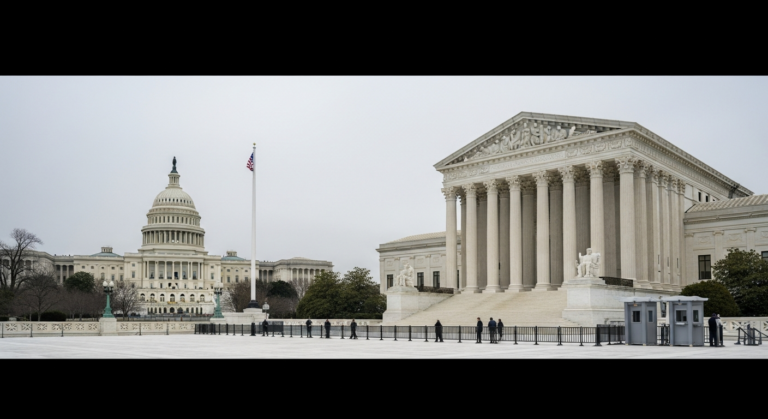
As Congress returns to session, lawmakers are engaged in a heated debate centered on the financial implications and authorization surrounding the Iran conflict. The Pentagon has requested approximately $80 billion, primarily to cover the costs associated with military operations in Iran. This request has sparked significant scrutiny among legislators, who are questioning the necessity and effectiveness of the ongoing military campaign.
The discussions in Washington are not just about numbers; they touch on broader issues of war powers and congressional oversight. Senators from both parties are calling for comprehensive briefings regarding the emerging U.S.-Iran framework and the administration’s strategic plans moving forward. This scrutiny is particularly relevant for those in Novi, where the implications of federal military spending can resonate through various sectors, including healthcare and education.
The debate is underscored by a critical question: did Congress adequately authorize the military actions in Iran? Lawmakers are divided on whether the current military engagement is justified or if it requires more stringent oversight. This discussion is pivotal as it not only involves financial appropriations but also the foundational principles of U.S. foreign policy and military engagement.
In Novi, where Providence Park Hospital stands as the largest employer, the ramifications of federal funding and military spending can directly impact local economic conditions. The healthcare sector, which is heavily reliant on stable funding and resources, could be affected by shifts in federal priorities, especially if military expenditures continue to rise.
Local officials and community leaders are monitoring the situation closely, recognizing that decisions made in Congress can have far-reaching effects on the local economy and public services. The ongoing debate about war powers and appropriations highlights the interconnectedness of federal actions and local realities, a connection that is especially pertinent in a community like Novi.
As the situation evolves, the political stakes remain high, with potential consequences for sanctions policy and oversight of any final agreements related to the Iran conflict. The outcome of these discussions will not only shape U.S. foreign policy but also influence how resources are allocated at home, affecting everything from healthcare to education in Novi and surrounding areas.
In summary, the current congressional debate on the Iran war costs is a critical issue that extends beyond the halls of power in Washington. For residents of Novi, the implications of these discussions could significantly impact local institutions and economic stability, making it essential to stay informed about developments as they unfold.