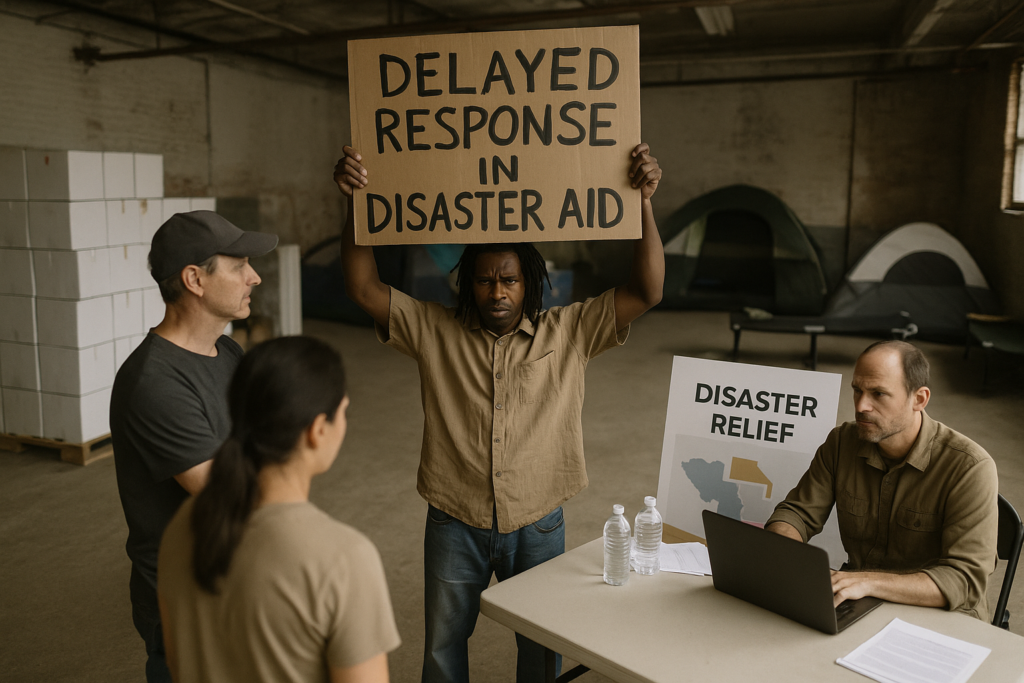
Recent national reporting has underscored a troubling trend regarding disaster aid: declarations are taking longer under the current administration. This delay in federal assistance has raised concerns among state and local officials, particularly in areas like Novi, where recovery efforts depend heavily on timely federal support.
In Novi and its surrounding areas, the implications of these delays are significant. Local emergency management budgets are strained as officials await decisions on disaster requests. The prolonged wait for aid affects not just recovery timelines but also the financial stability of households that rely on this assistance to rebuild after disasters.
Reports indicate that multiple states are experiencing similar issues, with unresolved aid decisions compounding the challenges faced by local governments. For communities like Novi, where natural disasters can disrupt daily life, the stakes are high. The need for swift action from federal authorities is critical to ensure that recovery efforts can proceed without unnecessary setbacks.
The issue of disaster aid delays is not merely a bureaucratic concern; it has real-world consequences for families and businesses. In Novi, where the economy is closely tied to the health of its community, these delays can hinder progress and prolong hardship for those affected by disasters.
Local officials have expressed frustration over the lack of clarity regarding aid timelines. As they navigate the complexities of emergency management, the uncertainty surrounding federal assistance complicates their planning and response efforts. The ongoing delays serve as a reminder of the accountability issues that persist at the national level, highlighting the need for reform in how disaster aid is managed and delivered.
As summer progresses, the potential for severe weather events remains a concern. Novi’s preparedness for such events is critical, and the community’s resilience will be tested if federal aid continues to lag. Local leaders are calling for a more efficient process to ensure that when disasters strike, the necessary resources are available to support recovery efforts promptly.
In conclusion, the delays in disaster aid are a pressing issue that affects Novi directly. As residents await assistance, the community’s ability to recover and rebuild hangs in the balance. The call for accountability and reform in disaster aid processes is louder than ever, and it is essential for local officials to advocate for their constituents’ needs in these challenging times.