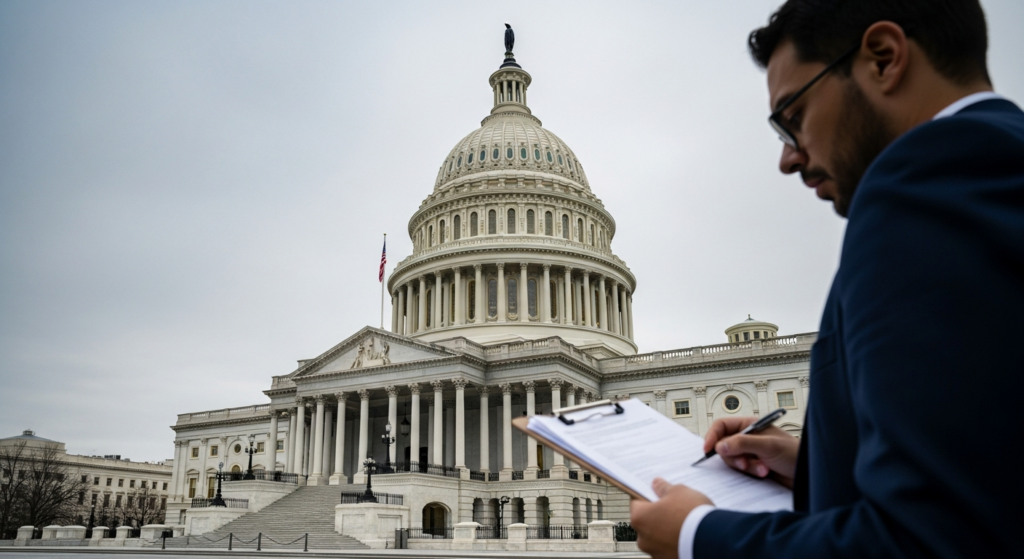
The U.S. House of Representatives has passed a significant piece of legislation aimed at enhancing the online safety of children. The bill mandates that online platforms implement specific safeguards designed to protect minors from potential harms encountered on the internet.
This legislative action now moves to the Senate, where it is anticipated to undergo further negotiation. Senators have indicated a desire for even more stringent standards than those included in the House-passed measure. The differing approaches between the two chambers suggests that the path forward for federal online safety regulation will involve considerable debate and compromise.
The core of the legislation focuses on requiring social media companies and other online service providers to adopt measures that shield young users from inappropriate content, online predators, and the potential negative impacts of excessive screen time. While the specifics of these safeguards are still being ironed out, the intent is to create a more secure digital environment for children.
Proponents of the bill argue that current online platforms have not done enough to protect their youngest users, citing concerns about mental health, exposure to harmful content, and data privacy. They believe that federal intervention is necessary to ensure accountability and establish a baseline level of protection across the industry.
Opponents, however, have raised concerns about the potential impact on free speech and innovation. Some argue that overly broad regulations could stifle the development of new online services or lead to unintended consequences that are difficult to predict. The debate is expected to touch upon the balance between child protection and the rights of platforms and users.
The bill’s passage in the House represents a bipartisan effort to address growing public anxiety over the effects of social media and the internet on young people. However, the Senate’s inclination towards stricter standards indicates that the final version of the law could be significantly different from what the House approved.
Lawmakers in the Senate are reportedly considering various amendments and proposals that would go beyond the current House bill. These could include provisions related to data collection, age verification, and algorithmic transparency. The outcome of these Senate deliberations will be crucial in shaping the future of online safety regulations for minors.
The legislative process highlights the ongoing challenge of adapting existing laws and creating new ones to keep pace with rapidly evolving technology. As online platforms continue to change and introduce new features, policymakers are grappling with how best to ensure that these advancements do not come at the expense of child well-being. The negotiations in the Senate will be closely watched by technology companies, child advocacy groups, and parents alike.
This federal action could have ripple effects across the country, potentially influencing how online platforms operate and how parents approach their children’s digital lives. The final legislation, if passed, will set a new standard for online child protection.