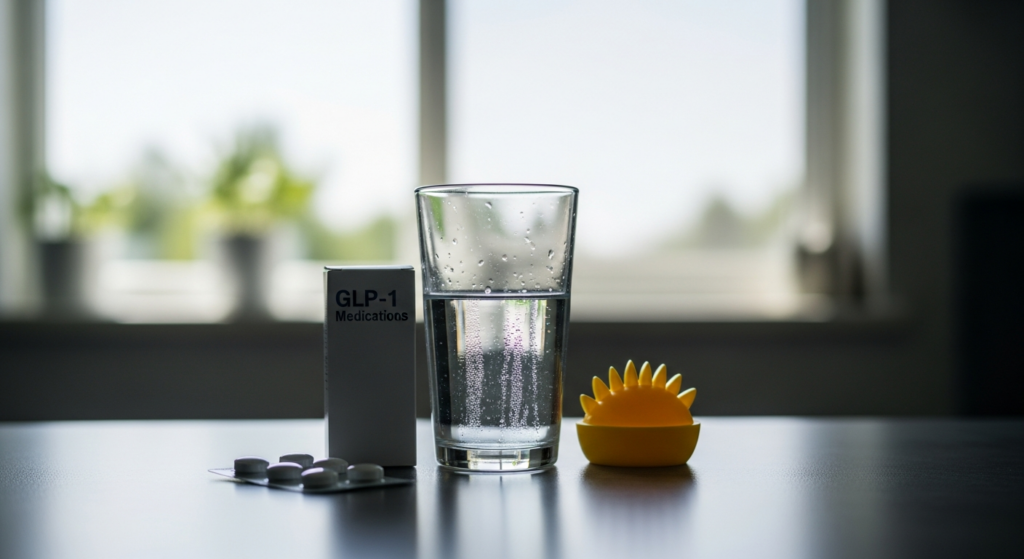
As the summer season progresses, medical professionals are issuing a cautionary note to individuals utilizing GLP-1 receptor agonist medications, commonly prescribed for weight management and type 2 diabetes. Doctors are emphasizing the critical need for these patients to closely monitor their hydration levels and be aware of potential heat-related health issues.
The medications, which can affect appetite and satiety, may inadvertently lead to reduced fluid intake. This effect, combined with the elevated risk of dehydration during periods of high temperatures, presents a significant concern for patient safety. Medical coverage has highlighted reports from physicians who are actively advising their patients on the importance of consistent fluid consumption and recognizing early signs of heat exhaustion or heatstroke.
These drugs, including semaglutide and tirzepatide, work by mimicking the effects of hormones that regulate blood sugar and slow digestion. While beneficial for many, this can alter the body’s natural thirst cues and reduce overall fluid intake. During the summer months, when the risk of dehydration is naturally higher due to increased sweating and ambient temperatures, this effect can be exacerbated.
Physicians are recommending that patients on GLP-1 medications proactively increase their water intake throughout the day. They are also advising them to limit strenuous outdoor activities during the hottest parts of the day and to seek cool environments. Recognizing symptoms such as dizziness, fatigue, headache, and decreased urination is crucial, as these can be indicators of dehydration or heat-related illness.
Local broadcast coverage has echoed these medical warnings, underscoring the importance of this public health advisory. The concern is particularly relevant in areas experiencing significant temperature fluctuations and prolonged periods of heat. While the medications offer therapeutic benefits, their use requires careful management, especially when environmental factors increase physiological stress.
This guidance is intended for general awareness. Individuals with specific medical questions or concerns regarding their GLP-1 medication and heat safety should consult with their qualified healthcare providers. They can offer personalized advice based on individual health profiles and medication regimens.
Why it matters in Novi:
With Providence Park Hospital serving as a major healthcare provider in Novi and the surrounding Oakland County region, awareness of these GLP-1 related hydration risks is particularly pertinent. Residents utilizing these medications should be mindful of the increased dangers posed by the current summer heat. This includes ensuring adequate fluid intake and recognizing the signs of heat-related illness to prevent potential emergencies. The local health system and its affiliated physicians are positioned to provide guidance, but individual vigilance is paramount for maintaining well-being during hot weather. Patients are encouraged to discuss their specific needs with their doctors to ensure safe and effective management of their health, especially during periods of extreme temperatures.