International markets are closely monitoring a recent escalation of U.S.-Iran tensions that unfolded around Iranian ports and the Strait of Hormuz, according to reports from July 15. The renewed hostilities have directly impacted global energy markets, with oil prices climbing to a one-month high.
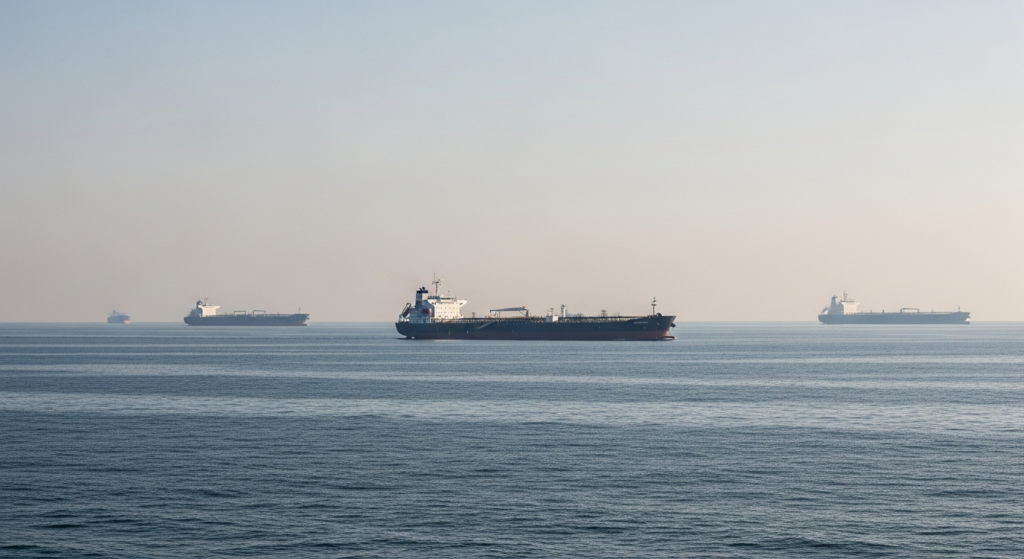
The Strait of Hormuz, a critical chokepoint for global crude oil transportation, has become the focal point of renewed conflict. Reports indicate that the U.S. has reimposed a blockade on Iran in response to actions in the waterway. This development signals a significant increase in geopolitical risk, directly affecting the flow of oil and contributing to market volatility.
The implications for global energy security are substantial. The Strait of Hormuz handles a significant portion of the world’s seaborne crude oil trade, and any disruption to shipping through this narrow channel can have immediate and far-reaching consequences. The current escalation has already led to a noticeable uptick in oil prices, reflecting market concerns about potential supply shortages and increased shipping costs.
While the specifics of the engagements remain limited to confirmed conflict and shipping risks, the broader economic impact is becoming apparent. Energy market analysts are assessing the potential duration of these tensions and their effect on crude oil availability and pricing. The situation underscores the delicate balance of international relations and its direct correlation with the stability of energy markets.
This U.S.-Iran confrontation highlights the ongoing challenges in maintaining secure passage through vital international waterways. The blockade and associated hostilities create a climate of uncertainty for energy producers, shippers, and consumers worldwide. The market’s reaction, evidenced by the rise in oil prices, demonstrates the sensitivity of the global economy to geopolitical instability in key energy-producing regions.
Novi, like many communities, is indirectly affected by these global energy market shifts. Fluctuations in oil prices can influence transportation costs and the broader economic climate, impacting local businesses and household budgets. The stability of international shipping lanes remains a critical, albeit distant, factor in the daily economic realities of communities across the globe.