


News Summary
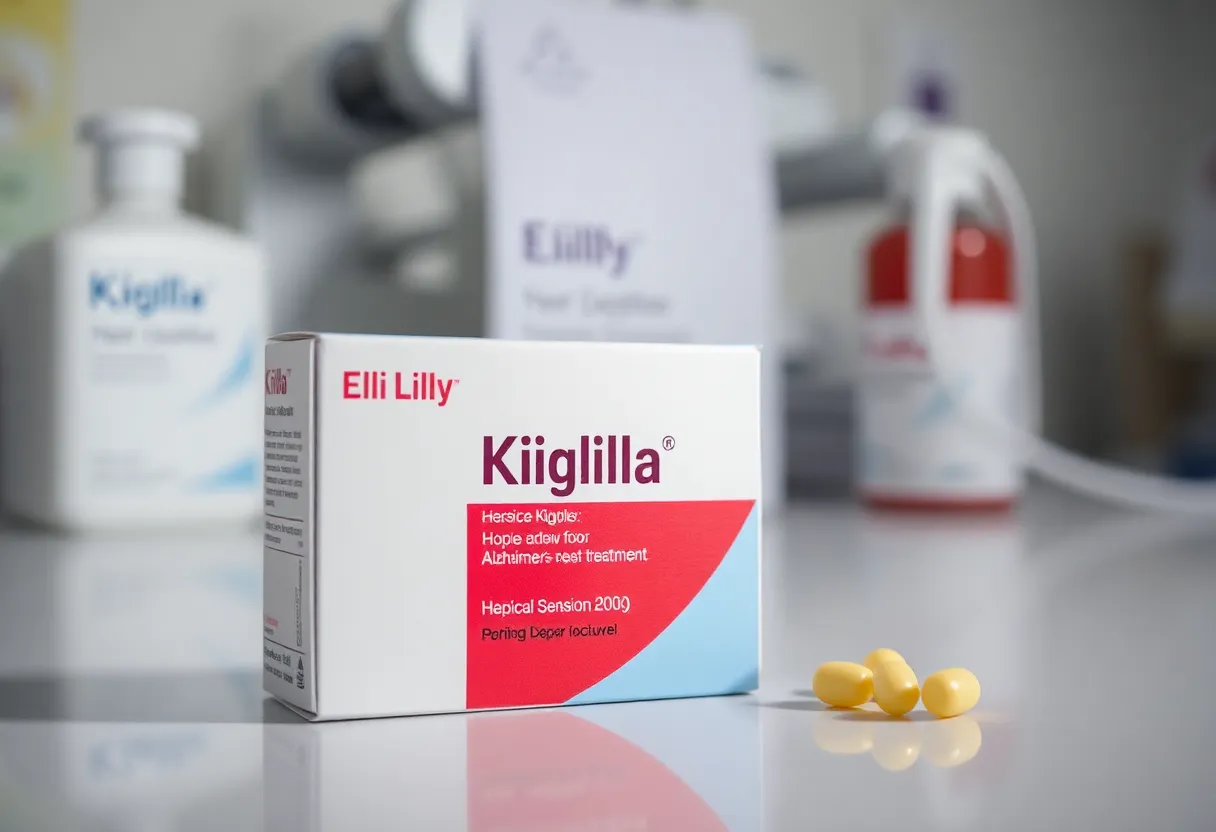
Eli Lilly’s Kisunla has received marketing authorization from the European Commission for treating patients with early symptomatic Alzheimer’s. This groundbreaking therapy offers hope for improved treatment outcomes in those with mild cognitive impairment or early dementia stages. With a once-monthly infusion regimen and promising trial results, Kisunla may significantly slow cognitive decline and improve quality of life for patients.
European Commission Gives the Green Light to Eli Lilly’s Kisunla for Alzheimer’s Treatment
Exciting news has arrived for those affected by Alzheimer’s disease! On September 25, 2025, the European Commission (EC) granted marketing authorization to Eli Lilly and Company’s innovative therapy, Kisunla (generic name: donanemab). This newly approved treatment is aimed specifically at adults diagnosed with early symptomatic Alzheimer’s, particularly those with mild cognitive impairment or mild dementia stages of the illness.
Understanding Kisunla and Its Target Patients
So, who exactly can benefit from Kisunla? The approval is specifically targeted at individuals who are either apolipoprotein E (ApoE4) heterozygotes or non-carriers. This means that not everyone with Alzheimer’s can use this treatment, but for the right patients, it can offer significant improvements. Kisunla is unique because it is the first therapy that allows patients to complete their treatment course once the troublesome amyloid plaques—proteins that can build up in the brain and worsen Alzheimer’s symptoms—are reduced to minimal levels.
The Benefits of Kisunla
The results from clinical trials, particularly the Phase 3 TRAILBLAZER-ALZ 2 study, are promising. Kisunla has shown a remarkable ability to slow down both cognitive and functional decline. This is great news because early intervention is key—patients who are diagnosed and treated sooner with Kisunla are likely to have a better response. By using this therapy, the body is aided in its fight against the excessive build-up of amyloid plaques, which could help slow the decline in memory and overall functioning.
A Simple Treatment Regimen
Kisunla is administered through a once-monthly infusion, which not only simplifies the treatment regimen but could also lower overall treatment costs. This is a huge plus for both patients and healthcare providers alike! And if that wasn’t enough good news, studies show that Kisunla can significantly lower the risk of patients progressing to the next clinical stage of Alzheimer’s disease over an 18-month period.
A Growing Concern
Possible Side Effects
As with any medical treatment, there are some potential side effects to consider. One concern is the possibility of certain amyloid-related imaging abnormalities (ARIA). However, discussions about potential risks should definitely take place with healthcare providers. Importantly, the trial for Kisunla, known as the Phase 3b TRAILBLAZER-ALZ 6 trial, revealed that following a gradual dosing schedule can significantly reduce the incidence of ARIA.
A Bright Future Ahead
Although the European Medicines Agency (EMA) initially withheld approval due to concerns related to ARIA, they reversed their decision after Eli Lilly’s appeal—it’s a win for patients waiting for effective solutions. Previously, about 37% of participants in clinical trials experienced ARIA-related side effects. But now, Kisunla stands as a groundbreaking option for eligible patients in Europe.
The Bigger Picture
This approval adds intensity to the global conversation about Alzheimer’s disease and the urgent need for effective therapies. Analysts estimate that sales of Kisunla could reach approximately $2 billion by 2030, highlighting its potential impact across markets like the US, EU, Japan, and China. As our population ages, innovative therapies like Kisunla could be pivotal in the ongoing battle against Alzheimer’s disease.
Conclusion
In short, Eli Lilly’s Kisunla could be a game-changer for many facing the challenges of Alzheimer’s disease. With the growing population of affected individuals, this development brings hope for better treatment options, and perhaps, brighter days ahead for patients and their families. If you or someone you know might be eligible for this therapy, don’t hesitate to discuss treatment possibilities with healthcare providers. Every step counts!
Deeper Dive: News & Info About This Topic
HERE Resources
Additional Resources
- PR Newswire
- Wikipedia: Alzheimer’s disease
- European Pharmaceutical Review
- Google Search: Kisunla
- Stat News
- Encyclopedia Britannica: Alzheimer’s disease
- Biopharma Dive
- Google News: Kisunla approval
- Eli Lilly Investor News