


News Summary
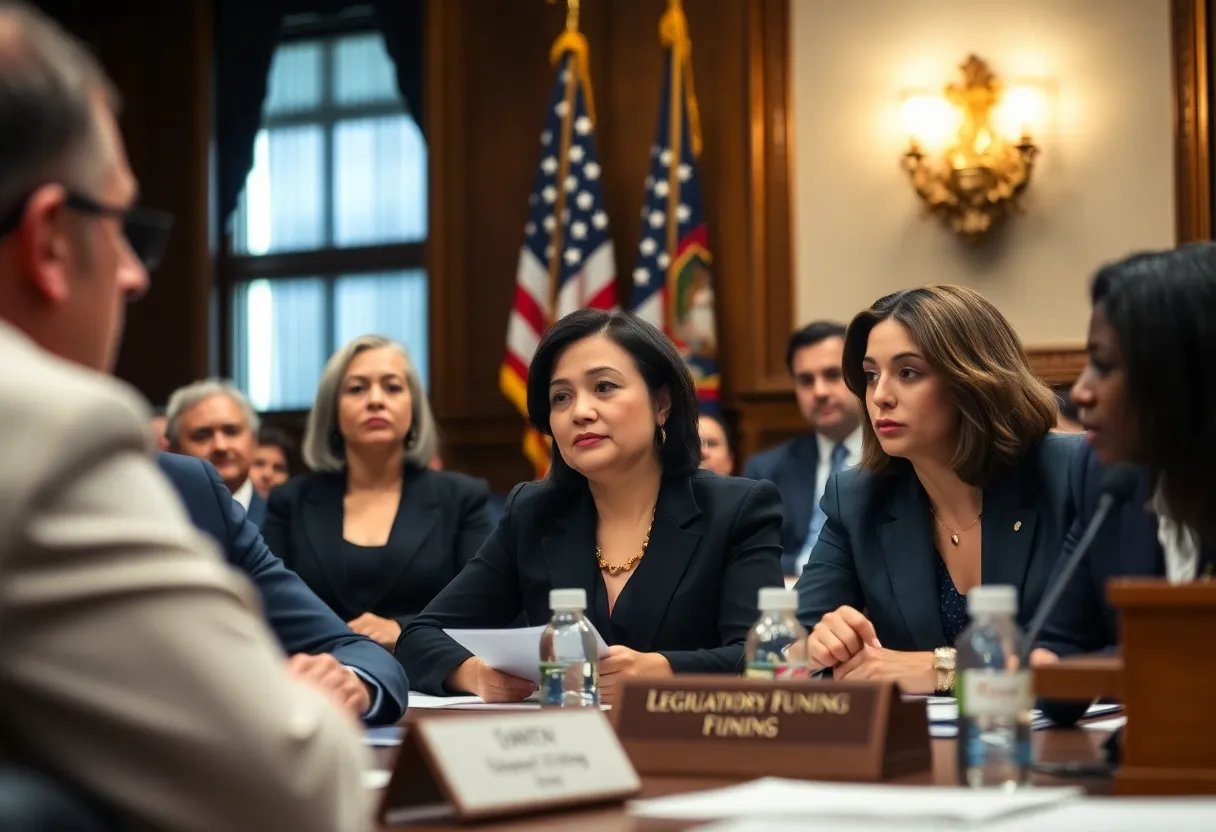
The House Judiciary Committee is facing a pivotal moment as it advances the ‘Protecting Our Courts from Foreign Manipulation Act’ while leaving the ‘Litigation Transparency Act of 2025’ without a vote. This session highlights the tension between transparency and the interests of small inventors and businesses as concerns arise about third-party litigation funding.
The Recent Developments in the House Judiciary Committee: A Tale of Two Bills
In a session that had many on the edge of their seats, the House Judiciary Committee recently found itself in a bit of a pickle. While they were able to advance a bill aimed at increasing transparency against foreign manipulation, they left another intended to limit third-party litigation funding without a vote. This is quite the twist in what should be an exciting time in legislative processes!
The Litigation Transparency Act of 2025: Failing to Take Flight
First, let’s dive into the Litigation Transparency Act of 2025, which was introduced by Representative Darrell Issa from California. The main goal of this bill was to require parties involved in civil cases to disclose their third-party funding sources. Rep. Issa believes this measure would help target abuses within the litigation system that lead to unfair advantages for those seeking financial gain at the expense of justice.
Despite the well-meaning intentions behind this legislation, it didn’t come up for a vote in the committee, leaving supporters a bit disappointed. Alongside Rep. Issa, the bill gained support from Representatives Scott Fitzgerald of Wisconsin and Mike Collins from Georgia. They rallied around the idea that transparency in litigation funding could pave the way for a more equitable judicial process.
The Other Side: Concerns from Inventors and Small Businesses
However, not everyone was on board with the Litigation Transparency Act. The Inventors Defense Alliance stepped in to voice serious concerns, arguing that this bill could jeopardize the patent enforcement and intellectual property rights of small inventors and startups. They claimed that the requirements for disclosure might create unnecessary hurdles for those who could benefit from much-needed financial support in litigation.
A Different Tune: The Protecting Our Courts from Foreign Manipulation Act
On the flip side, the committee did report favorably on another bill, the “Protecting Our Courts from Foreign Manipulation Act.” This bill saw a narrow victory with a 15-11 vote. It aims to amend federal law to increase transparency, specifically targeting funding from foreign nations and sovereign wealth funds.
The debate around this bill was intriguing! Representative Jamie Raskin of Maryland criticized both measures for benefiting large corporations while undermining accountability for illegal practices. He defended the legality of third-party litigation funding, asserting that if any parties overstep, the courts are well-equipped to handle it. Some Democratic representatives joined Raskin in downplaying the narrative that litigation funding poses a national security risk, suggesting such concerns stem from broader political agendas.
Drawing Lines: Support and Opposition
Interestingly, even conservative groups like America First Legal and the Oversight Project expressed opposition to the Litigation Transparency Act. Representative Andy Biggs from Arizona pointed out distinct differences between the two bills, mentioning how the Protecting Our Courts from Foreign Manipulation Act tackles more immediate concerns. He pointed out specific instances where foreign funding has influenced U.S. litigation, including examples of oligarchs funding lawsuits despite existing sanctions.
A Glimpse at the Bigger Picture
Beyond the beltway, the implications of this debate are enormous. Studies reveal that approximately 74% of insurance companies have become targets of litigation-related marketing financed by outside entities. Furthermore, a recent report from the National Insurance Crime Bureau indicated a potential connection between outside funding and increased litigation volume. This raises eyebrows, especially when litigation funding is estimated to cost the average U.S. household an extra $2,437 annually due to excess tort costs.
As the smoke clears from this most recent committee meeting, the future of litigation funding remains as complex as ever. The Litigation Transparency Act is set to be revisited, and discussions around funding in litigation are expected to continue. It’s a fascinating landscape we are witnessing, where the balance between transparency, fairness, and financial support in litigation remains a concern. Keep an eye out for future developments on these critical issues!
Deeper Dive: News & Info About This Topic
HERE Resources
Former MSU Graduate Student Sues for $100 Million Over Cancer Diagnosis
Michigan EMS Providers Face Financial Crisis Due to Unpaid Bills
Monroe Capital LLC Supports Growth of a360inc and ProVest
Elon Musk Faces Trial Against OpenAI Over Lawsuit
Additional Resources
- IP Watchdog
- Reuters
- Law.com
- Wikipedia: Litigation funding
- Google Search: third-party litigation funding

Author: STAFF HERE NOVI WRITER
The NOVI STAFF WRITER represents the experienced team at HERENovi.com, your go-to source for actionable local news and information in Novi, Oakland County, and beyond. Specializing in "news you can use," we cover essential topics like product reviews for personal and business needs, local business directories, politics, real estate trends, neighborhood insights, and state news affecting the area—with deep expertise drawn from years of dedicated reporting and strong community input, including local press releases and business updates. We deliver top reporting on high-value events such as Motor City Comic Con, Michigan State Fair, and Novi Home and Garden Show. Our coverage extends to key organizations like the Novi Chamber of Commerce and Novi Community Foundation, plus leading businesses in automotive, technology, and manufacturing that power the local economy such as Gentherm, Stoneridge, and Daifuku North America. As part of the broader HERE network, including HEREDetroitMI.com, HEREGrandRapids.com, HERENorthville.com, and HEREPlymouth.com, we provide comprehensive, credible insights into Michigan's dynamic landscape.