
East Lansing, Michigan, August 18, 2025
News Summary
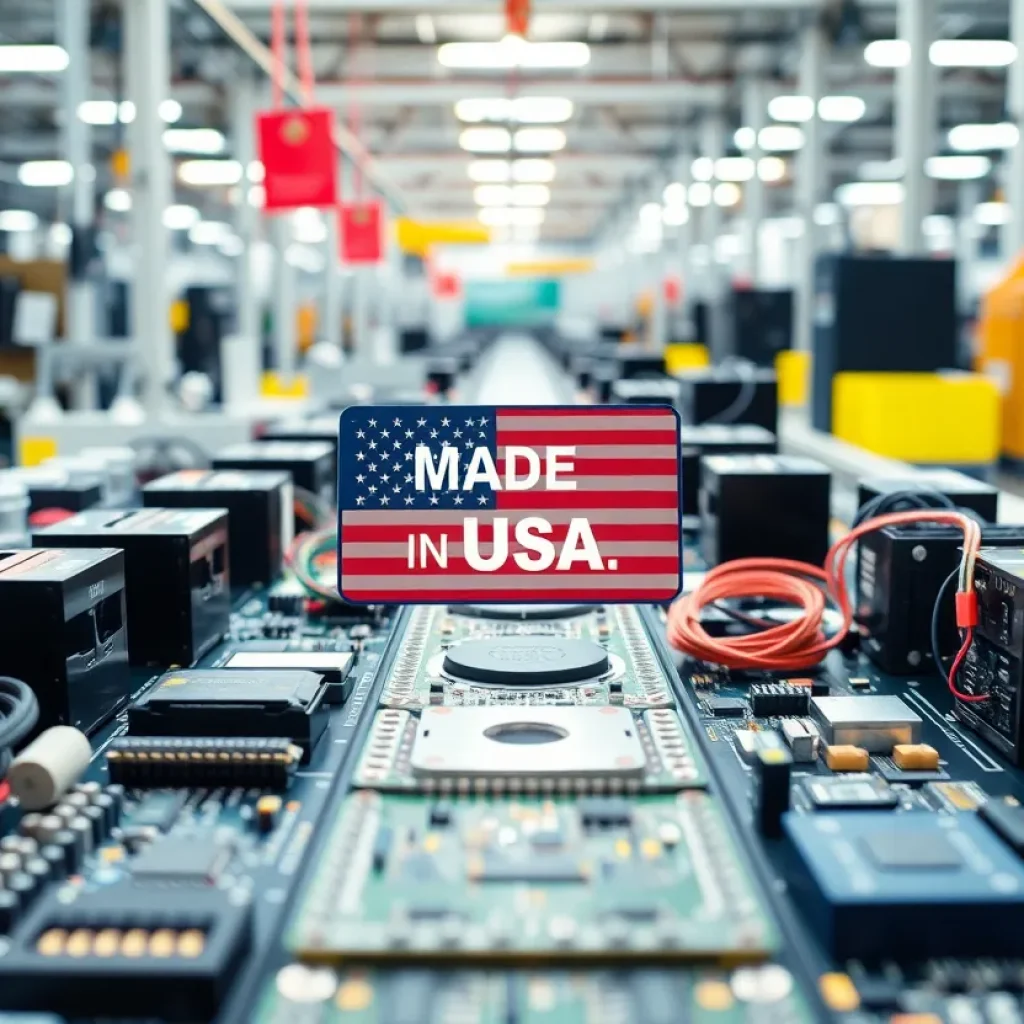
A study by Michigan State University found widespread misunderstandings among consumers regarding ‘Made in USA’ labels. Many mistakenly believe that these products are fully manufactured in the U.S., overlooking the complexities of global supply chains where components may come from other countries. The research highlights a disconnect between consumer expectations and reality, emphasizing the need for clearer labeling practices to enhance transparency and understanding in marketing amid globalized production processes.
East Lansing, Michigan – A recent study conducted by Michigan State University has uncovered significant misunderstandings among consumers regarding the meaning of “Made in USA” labels. Published in the Journal of Law, Business and Ethics, this research is the second peer-reviewed study to delve into consumer perceptions of these claims
The study reveals that many consumers mistakenly believe that products labeled “Made in USA” are entirely manufactured in the United States. This assumption often overlooks the complexity of modern supply chains, where numerous components may be sourced from various countries before final assembly occurs in the U.S. For example, the supply chains for products such as automobiles may include parts manufactured in countries like Japan for electronics or Mexico for steering systems, even if the final assembly takes place in the U.S.
According to Federal Trade Commission (FTC) guidelines, products can still bear the “Made in USA” label as long as the final assembly is conducted domestically and a substantial portion of the manufacturing costs is incurred in the U.S. This regulatory loophole contributes to consumer confusion, as many consumers may have unrealistic expectations about the degree of domestic production represented by such labels.
The study further indicates that while many participants reported feeling disappointed by the reality of “Made in USA” claims, over half of those surveyed felt that the actual product quality met or exceeded their expectations. This discrepancy highlights the gap between consumer expectations and the realities of modern manufacturing.
Researchers discovered that a notable portion of consumers were unclear on what “Made in USA” labels actually signify. Despite the FTC’s increased scrutiny of deceptive advertising practices related to these labels, the complexity of supply chains continues to obfuscate the true meaning of the claims.
The FTC’s heightened regulatory attention may be a response to either stronger enforcement mechanisms or an increase in misleading advertising practices. Understanding consumer perceptions is essential for shaping public policy, ensuring that laws governing advertising and labeling reflect actual consumer understanding.
The authors of the study comprised Jef I. Richards, Patricia T. Huddleston, Anastasia Kononova, Juan Mundel, Anna R. McAlister, and Saleem Alhabash, who collectively emphasized the disconnect between consumer expectations and the realities of domestic product sourcing.
The researchers surveyed 131 adult participants, predominantly identifying as male, non-Latino Caucasians. This limited demographic may influence the findings, underscoring the need for further exploration among diverse consumer groups. The study concludes that there is a widespread lack of clarity among consumers regarding the exact implications of “Made in USA” labels.
In summary, the study highlights the importance of consumer perception research in addressing misunderstandings around labeling and manufacturing claims. It sheds light on the need for greater transparency in how products are marketed, especially in an era where production processes are increasingly globalized.
Frequently Asked Questions
What does “Made in USA” mean?
Products labeled “Made in USA” may be assembled in the U.S. with some components sourced from other countries. The FTC allows this as long as a substantial part of manufacturing costs are incurred in the U.S.
Why is there confusion among consumers?
Consumers often assume that “Made in USA” means that products are entirely produced domestically, which is frequently not the case due to global supply chains.
How are the expectations measured in the study?
The study surveyed 131 adults about their perceptions and experiences with products labeled “Made in USA,” evaluating the disparity between expectations and reality.
Deeper Dive: News & Info About This Topic
HERE Resources
Former MSU Research Assistant Sues for $100 Million
Nicole Sullivan to Attend Motor City Comic Con
Courtney Hawkins Elevates Michigan State Football as Coach
Michigan State Players Shine in Moneyball Basketball League
Novi Community Mourns the Loss of Three Cherished Residents
Michigan State Hockey Faces Key Departures
Attorney General Dana Nessel Wins Lawsuit Against Machine Gun Devices in Michigan
Michigan Residents Urged to Contact Senators for Road Funding
Michigan Beaches Closed Due to High Bacteria Levels Ahead of Fourth of July
U.S. House Passes Trump’s Major Tax and Spending Bill
Additional Resources
- Newswise: MSU Study on “Made in USA” Claims
- Detroit Free Press: DOJ & Sanctuary Jurisdictions in East Lansing
- Lansing State Journal: Aaliyah Nye WNBA Draft
- Sports Illustrated: Jase Richardson & NBA Draft
- Lansing City Pulse: Stabenow on Inflation Reduction Act
- Wikipedia: Made in the United States
- Google Search: Made in USA Label
- Google Scholar: Consumer Perceptions of Made in USA
- Encyclopedia Britannica: Made in the United States Label
- Google News: Made in USA Study