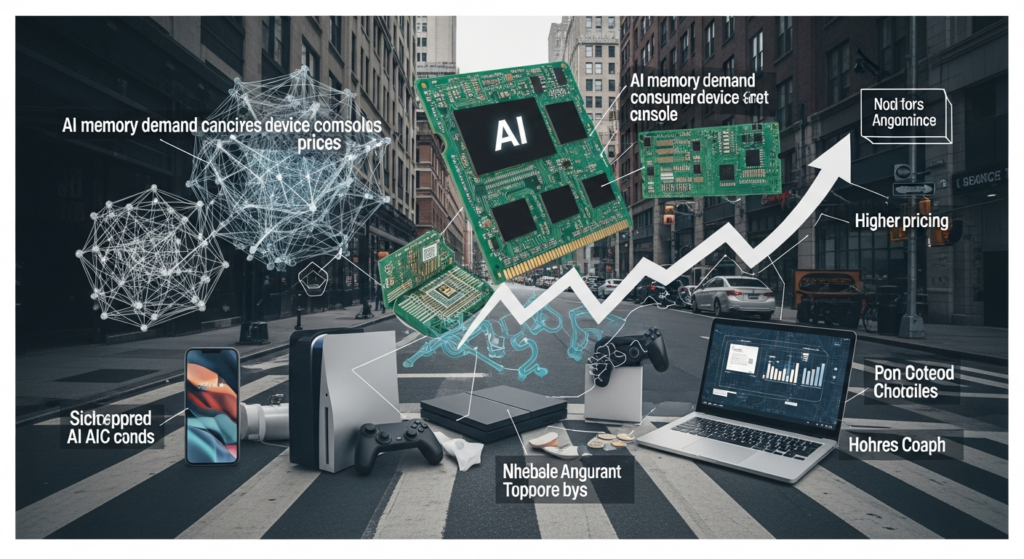
The insatiable appetite for artificial intelligence is creating ripple effects across the consumer technology landscape, with significant implications for the cost of everyday electronics. Analysts and industry observers are connecting the escalating demand for AI infrastructure to a tightening global supply of essential memory and storage components. This dynamic is beginning to exert upward pressure on the prices of a wide range of consumer devices, from personal computers and smartphones to video game consoles.
At the heart of this issue is the specialized memory required to train and operate sophisticated AI models. These high-performance chips, often referred to as AI memory, are distinct from the standard memory found in most consumer electronics. However, the sheer volume of AI development and deployment is consuming a substantial portion of the world’s memory manufacturing capacity. As more resources are diverted to producing these specialized components, the availability of standard memory chips for consumer-grade devices becomes constrained.
Technology and business publications have been closely tracking this trend, noting that manufacturers of devices and consoles are facing increased costs for these critical components. When the cost of raw materials and essential parts rises, companies often pass these increases along to consumers. This could mean that consumers looking to purchase new laptops, tablets, or the latest gaming consoles may encounter higher price tags than anticipated.
The situation is further complicated by the complex global supply chains that underpin the electronics industry. Disruptions, whether due to geopolitical factors, manufacturing bottlenecks, or surges in demand for specific technologies like AI, can quickly lead to shortages and price volatility. The current demand for AI memory is a prime example of how a rapidly evolving technological frontier can reshape the economics of established consumer markets.
For consumers in Novi and across the country, this means that purchasing decisions for electronics may require a closer look at component specifications and pricing trends. While the direct impact on local retail prices in Novi is not yet precisely quantifiable, the global nature of component sourcing suggests that these broader market forces will eventually be reflected in the prices available to local shoppers. The race to develop and deploy advanced AI is, in turn, influencing the cost of the devices many people use daily for work, entertainment, and communication.
This trend underscores the interconnectedness of the global technology sector. Innovations in one area, such as artificial intelligence, can have far-reaching consequences for seemingly unrelated markets, including the consumer electronics sector that many households rely on. As AI continues its rapid advancement, its influence on the cost and availability of consumer technology is likely to remain a significant factor for the foreseeable future.