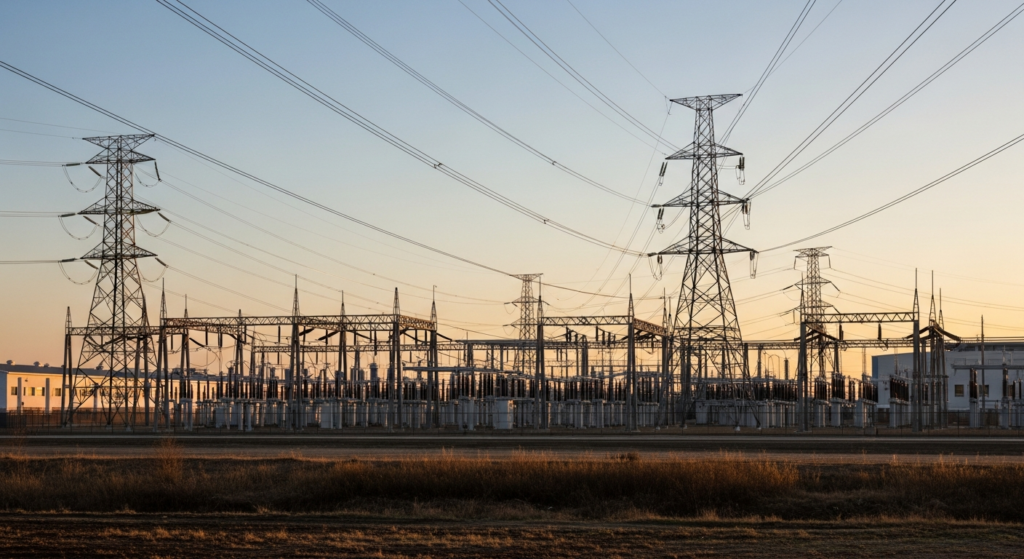
Holtec Nuclear has publicly filed registration paperwork for a proposed initial public offering (IPO), a move that places the company within a broader investor narrative focused on the future of power generation and infrastructure.
The filing signals heightened interest from the financial markets in companies positioned to supply electricity for burgeoning sectors, particularly the data center industry, which requires substantial and reliable power sources. Independent market analysis frames Holtec Nuclear’s IPO within this context, alongside the general demand for nuclear power and robust power infrastructure.
This development carries significant business relevance for a range of stakeholders. Utilities are closely watching how new power generation capacity might integrate into existing grids. Industrial customers, who rely on consistent and affordable electricity, will also be impacted by shifts in the power supply landscape. Furthermore, the expansion of nuclear energy projects and related infrastructure necessitates careful workforce planning, potentially creating new employment opportunities and requiring specialized training.
The story also intersects with ongoing debates surrounding energy policy and the optimal mix of power sources for the future. As demand for electricity continues to climb, driven in part by the proliferation of digital technologies and artificial intelligence, the role of nuclear power is being re-evaluated by investors and policymakers alike.
Holtec Nuclear’s IPO filing is more than just a corporate financial event; it reflects a larger trend where energy infrastructure is seen as a critical component in enabling technological advancement and economic growth. The company’s positioning in this market suggests a potential for significant capital infusion to fund its projects, which could include the development of new nuclear power plants or related technologies.
Why it matters in Novi:
While Holtec Nuclear’s IPO is a national and international financial event, its implications can resonate within Novi. The company’s potential expansion and the broader demand for power infrastructure it represents could influence energy supply contracts and pricing for local utilities like ITC Holdings Corp., a major energy infrastructure company headquartered in Novi. This could, in turn, affect operational costs for businesses in the region and potentially influence local discussions about energy reliability and future power needs. The demand for skilled labor in the energy sector, highlighted by this IPO, also presents potential career pathways for residents and may shape educational and training initiatives within Novi Community Schools and local vocational programs.