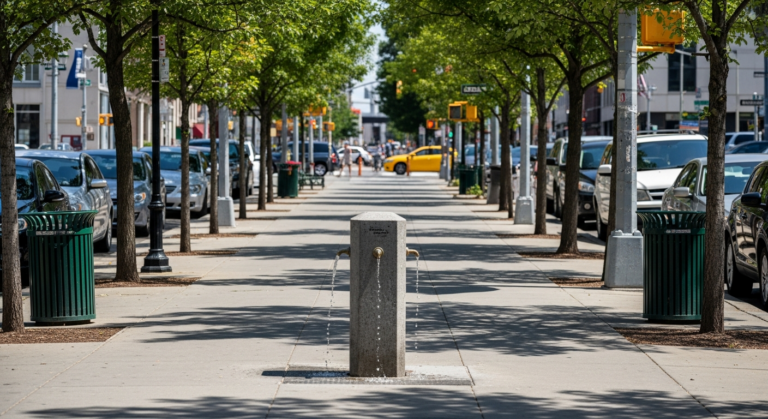
A significant heat wave has gripped large portions of the country, bringing sweltering conditions that underscore the pervasive risk of extreme temperatures to public health and infrastructure. While the immediate focus is on immediate safety, the prolonged nature of such events is prompting a broader examination of how communities and institutions plan for sustained periods of high heat.
Science and health reporting has consistently linked repeated extreme heat events to increased risks across various sectors. Health systems face heightened demand, workplaces must adapt to protect outdoor and indoor laborers, travel can be disrupted by heat-related infrastructure failures, and households are challenged to maintain safe indoor temperatures. These interconnected risks are amplified by the fact that extreme heat, despite its deadly impact, has never received a federal disaster declaration.
Scientists are increasingly identifying climate “fingerprints” on such severe weather phenomena, including the current July heat wave. This scientific consensus suggests that the frequency and intensity of extreme heat events may be increasing, necessitating a more robust and proactive approach to public health and safety planning. The implications extend beyond immediate emergency response, touching on long-term resilience and adaptation strategies.
In the Novi area, as elsewhere, the public health context of extreme heat involves understanding potential impacts on vulnerable populations, ensuring adequate cooling centers, and educating residents about the dangers of heat exhaustion and heatstroke. Workplace safety regulations are also critical, particularly for industries that involve outdoor labor or operate in environments without consistent climate control. The planning and execution of these measures are ongoing challenges for local and regional authorities.
Travel and transportation networks can also be affected. Extreme heat can damage road surfaces, buckle train tracks, and strain power grids that support public transit. Ensuring the reliability of these systems during heat waves is a complex logistical undertaking that requires significant investment and foresight.
As the nation grapples with the realities of a changing climate and more frequent extreme weather events, the focus on heat and public health is likely to intensify. The need for comprehensive risk assessment and planning, from individual households to large-scale infrastructure, remains a critical public concern. The current heat wave serves as a stark reminder of these ongoing challenges and the importance of preparedness.