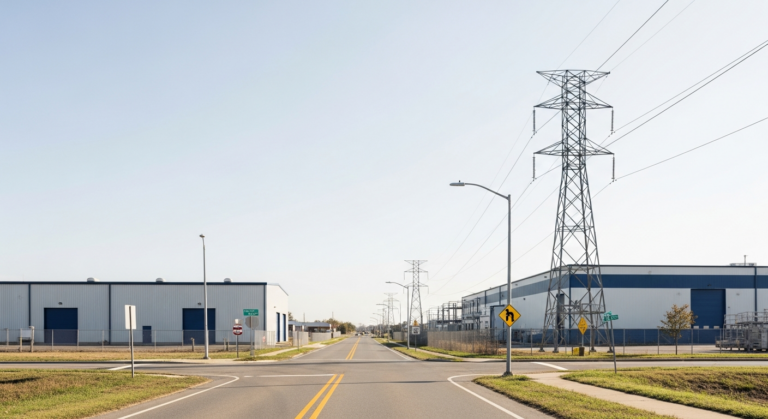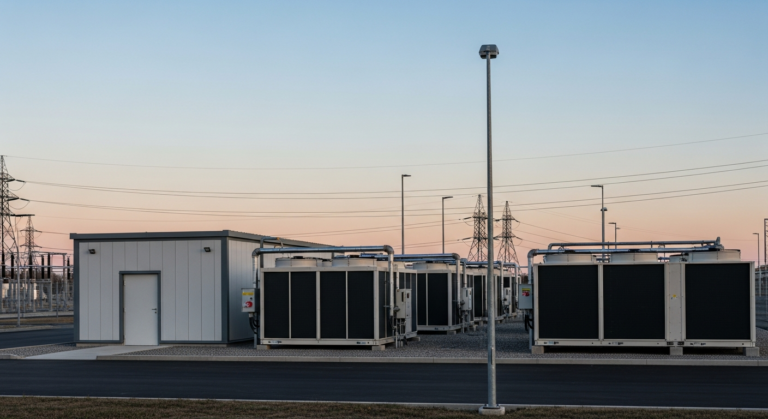
The rapid expansion of artificial intelligence data centers is increasingly shaping conversations around energy infrastructure and utility planning, particularly concerning the capacity of local power grids. This surge in demand, driven by the computational needs of AI, is directly influencing where these facilities can be sited and is becoming a focal point for economic development debates within communities like Novi.
Industry reporting highlights a direct correlation between the growth of AI and the escalating demand for electricity. Data centers, essential for processing and storing the vast amounts of data that power AI applications, are significant energy consumers. As the technology evolves and its adoption broadens across sectors, the requirement for these specialized facilities is projected to grow exponentially. This trend necessitates a proactive approach to energy management and infrastructure development to ensure that power grids can meet the sustained and often intensive demands of these operations.
The implications for utility providers are substantial. Grid operators are tasked with not only meeting the current energy needs of residential, commercial, and industrial customers but also with anticipating and accommodating the substantial, concentrated power requirements of new data centers. This involves significant investment in upgrading transmission and distribution networks, enhancing generation capacity, and ensuring grid stability and reliability. The challenge is compounded by the need to integrate renewable energy sources and manage the environmental impact of increased energy consumption.
Furthermore, the location of data centers is becoming a critical factor in site selection processes. Proximity to robust power infrastructure, access to sufficient cooling resources, and availability of suitable land are paramount. These considerations are intertwined with local economic development strategies, as communities vie to attract the investment and job creation that data center projects can bring. However, the strain on the power grid can also present a barrier, potentially limiting the feasibility of certain locations or requiring extensive, costly infrastructure upgrades.
Local zoning regulations, land-use planning, and ratepayer concerns are also being brought to the forefront. Municipalities must balance the economic benefits of attracting technology companies with the potential impacts on existing infrastructure, environmental sustainability, and the cost of electricity for all consumers. The decision-making process for approving new data center developments often involves complex negotiations and assessments of their long-term effects on the community’s energy landscape and economic future.
As the demand for AI capabilities continues its upward trajectory, the interplay between technological advancement, energy infrastructure, and local planning will remain a critical area of focus. Utilities, developers, and local governments are engaged in ongoing efforts to find sustainable solutions that support innovation while ensuring the reliability and affordability of power for all stakeholders. The strategic development of energy resources and infrastructure is paramount to navigating this evolving technological frontier.